
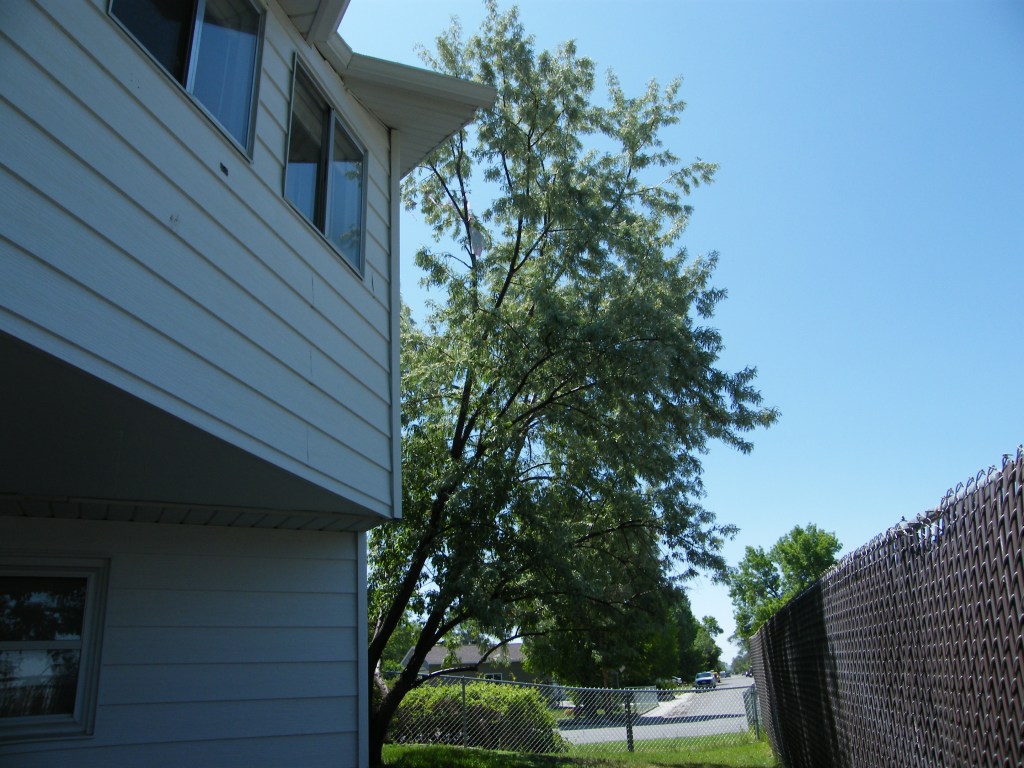
The Russian Olive tree in our side yard is taller than our two story house.
We have one Russian Olive tree in our side yard. Some yards near us have multiples of them. Where we live, they are considered an invasive species.
They are self-planting. When we lived in Arizona, we had the Siberian Elms. They were self-planting too. That’s the way I thought of them, anyway. You didn’t have to do anything to have elm trees in your yard. In fact, you could have dozens of them if you didn’t pull up the little suckers before they got more than an inch or two high.
We have the Siberian Elms here in Wyoming too. But luckily, I’ve kept on top of the eradication of them. Learned my lesson in Arizona when I let one go a little too long and in one season it got so large I had to chop it down. With an axe. Couldn’t just pull it up. They grow like weeds.
We inherited the Russian Olive tree when we bought our current house. I’m sure it planted itself.
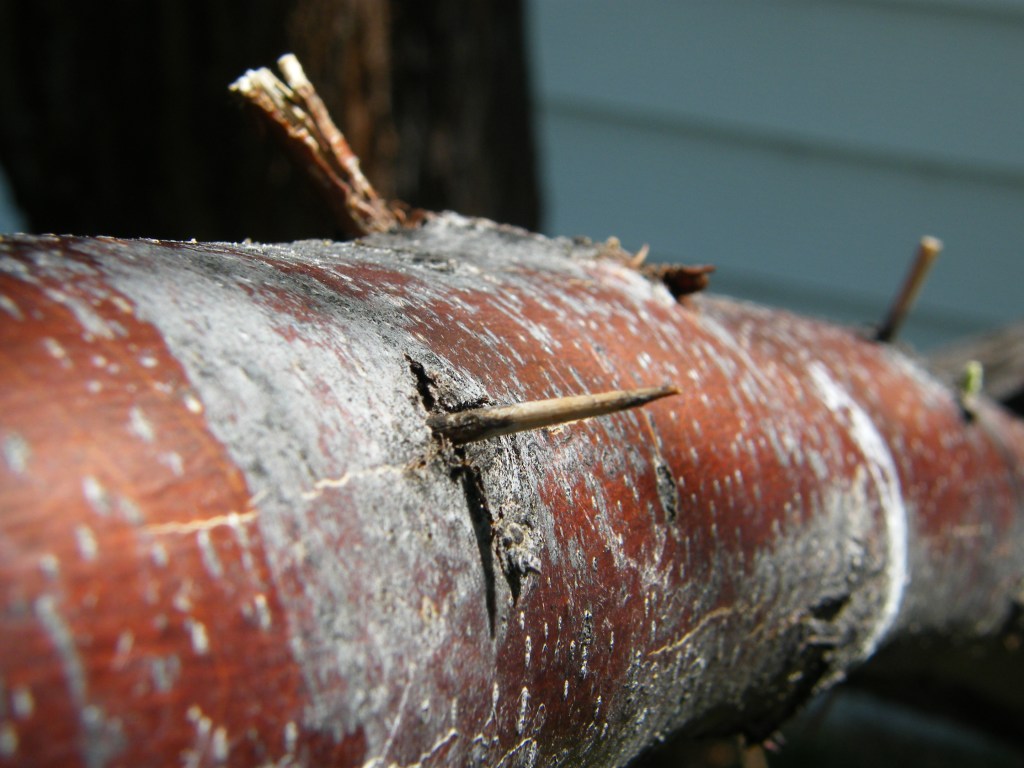
Thorn growing out of a branch.
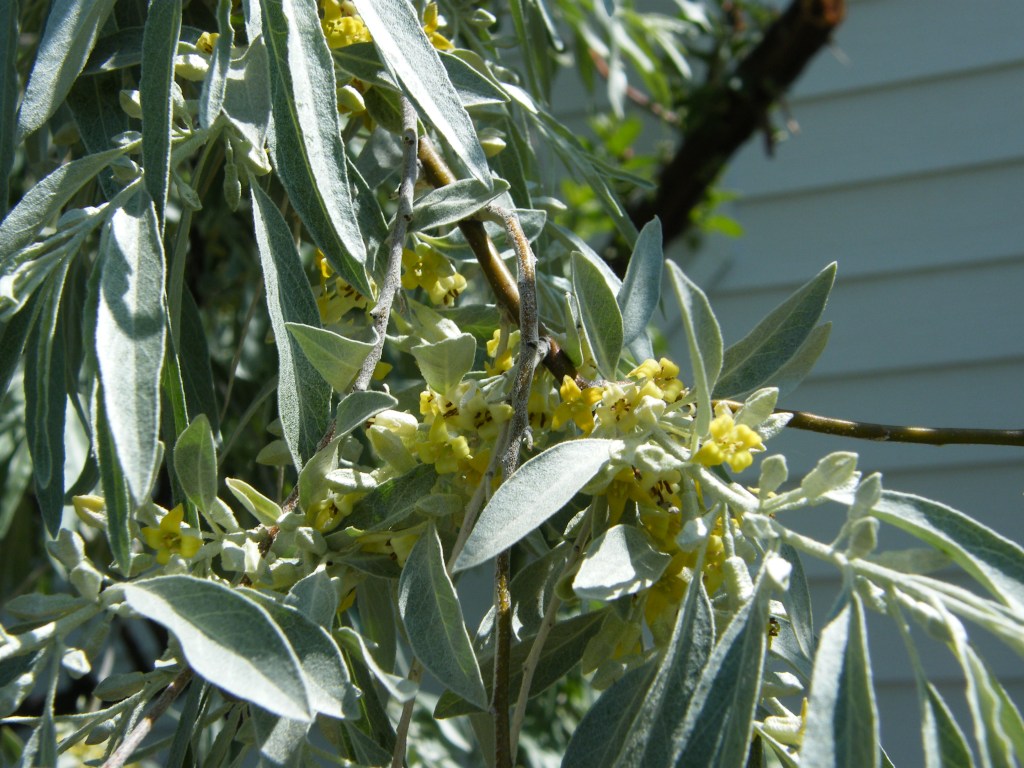
It’s not that they are unattractive. The bark is a lovely reddish color and the leaves are a pleasing sage green. In the spring, as right now, they make a million tiny yellow flowers that smell quite nice. The bees adore the flowers and the tree will soon be full of buzzing because it is just starting to bloom.
But the things, like the elms, grow like weeds. And they develop long, very sharp thorns in random places. The thorns make trimming the tree treacherous. And it needs constant trimming to keep it from rubbing all the paint off the side of our house.
But the birds and squirrels love the “olives.” I put quotation marks around olives because they are tiny, mostly fleshless, and mainly all seed. It’s the seeds the birds and squirrels want and so there is a litter of olive husks on the ground under the tree every fall.
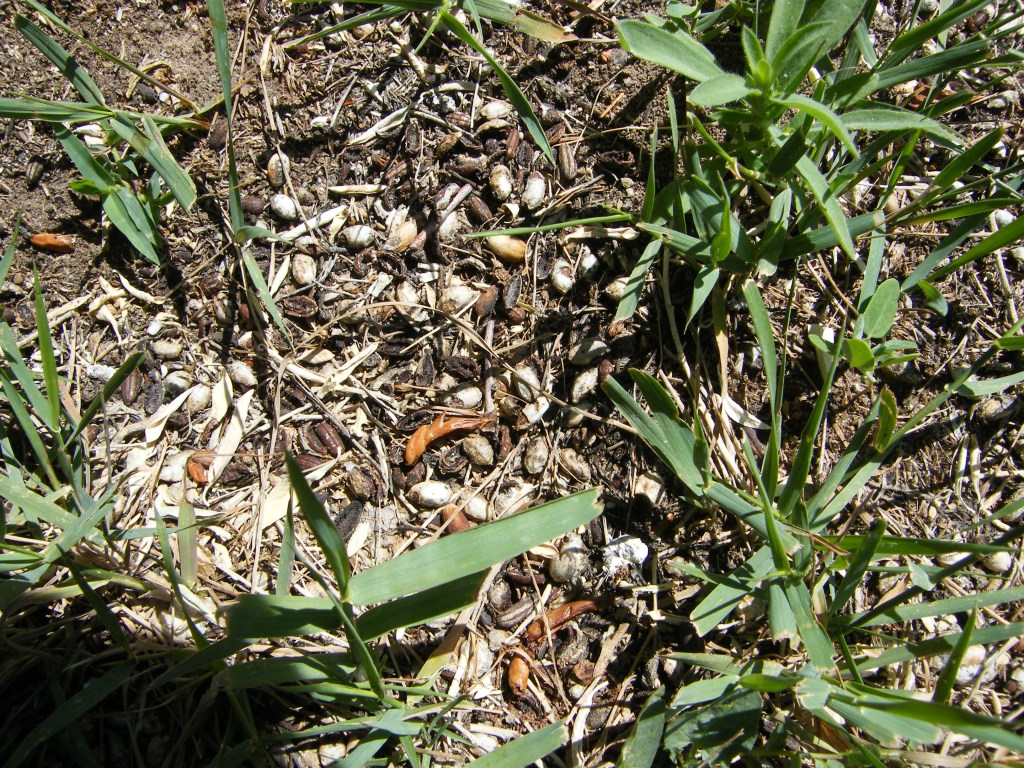
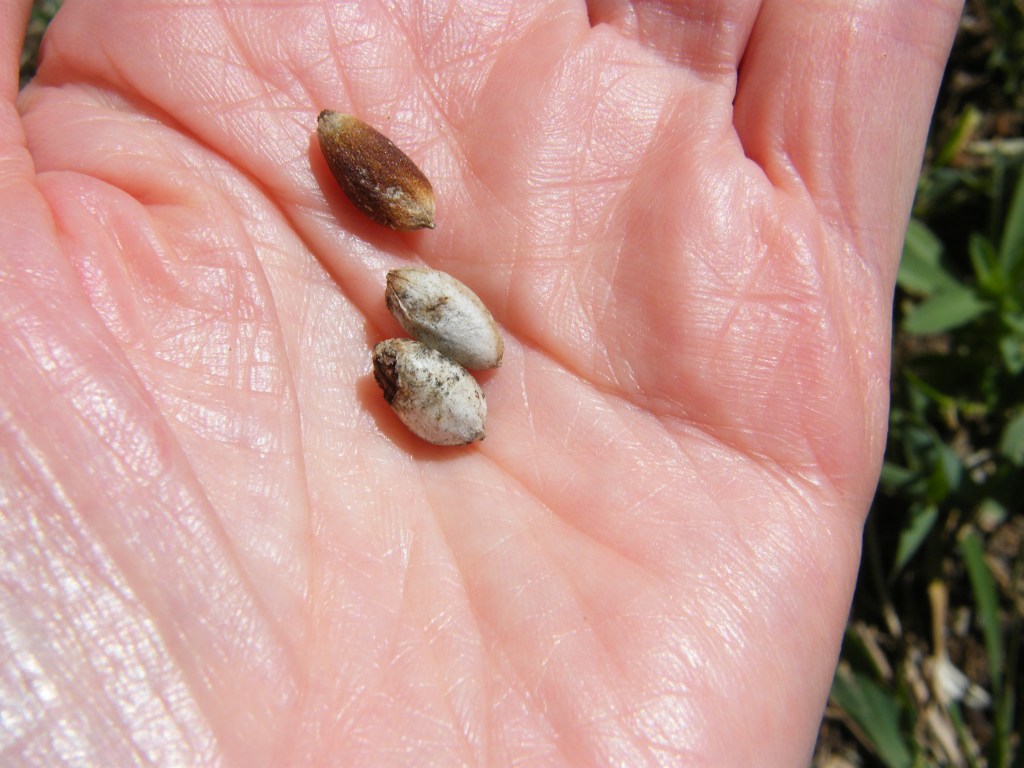
Olives in my hand for size reference. They are a little plumper at the end of fall, but these have been on the ground all winter and are dried out.
A lot of people don’t like them at all. And as I mentioned, they are classified invasive. But the bees benefit as do the birds and squirrels. So invasive or not, they have a place in our local ecology.
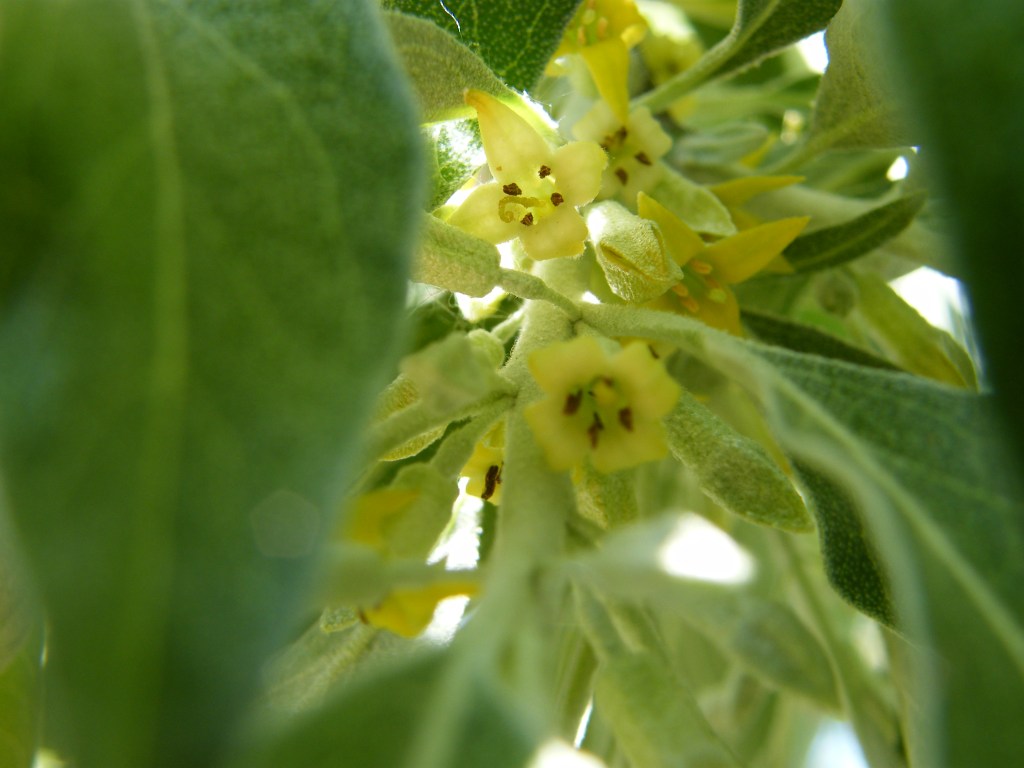
And seriously, so much of our flora is not native to the United States that sometimes I wonder why we even make a distinction. I know that some people are concerned that plants and animals that have been here for a long time (which are not necessarily native) will be out-competed by the newcomers.
But isn’t that the way it’s always been?
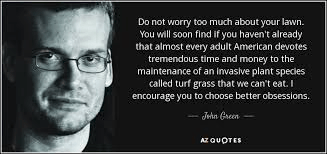
Courtesy of A-Z Quotes

 Maddie's Mom Writes
Leave a comment