
My husband has suffered with eczema for many years. I don’t know exactly when it started, but it’s probably been for at least 25 years.
He’s tried every kind of cream you can imagine. He’s used a corticosteroid cream for years along with others. He’s tried coconut oil and commercial preparations made specifically for eczema.
Last year, he finally had such a bad outbreak that he gave in and did a course of prednisone. The side effects were awful, but it did clear up the severity of the outbreak he was having … for a while anyway. As he got down to the last few very low doses, the eczema started coming back. But at least it wasn’t as bad as it had been prior to starting the prednisone.
He read something the other day that made him think that reducing his carbohydrate (all carbohydrates break down to sugar eventually) intake might help. So naturally, I had to do some research.
From Harvard Health, http://www.health.harvard.edu
Glycemic Index (GI) assigns a numeric score to a food based on how drastically it makes your blood sugar rise. The scale is 0 – 100 with pure glucose at 100.
Glycemic Load (GL) tells you both how quickly it enters the blood and also how high your blood sugar could go. Example: Watermelon has a GI of 80, but it has so little carbohydrate that the GL is only 5. Most fruits have high GIs but low GLs and are considered healthy choices.
Low GI: 55 or less
Medium GI: 56-69
High GI: 70 or higher
Glycemic Load takes into account: types of sugar and starches in foods, the way the food is prepared, fat content, fiber and carbohydrate content, serving size, rate of absorption and digestion of food products.
High GL: 20 and over
Medium GL 11-19
Low GL: 10 or less
From pubmed.ncbi.nim.nih.gov
A systemic review and meta-analyses was conducted to systematically review the available clinical trials that examined the effects of low Glycemic Index and low Glycemic Load diets on several inflammatory biomarkers in adults.
They did not find any significant effect of dietary GI or GL on serum concentrations of inflammatory cytokines.
From WebMD:
Eczema and Inflammation from WebMD
The inflammatory process involves proteins called cytokines. They tell the immune system to mount a response to a threat like an injury or an infection. But when you have eczema, for some reason you have a high number of pro-inflammatory cytokines. These cause inflammation when there is no real threat.
A surplus of cytokines may not only inflame skin, but also might put your mental health at risk.
A 2018 study explored why people with eczema have a higher greater risk of suicidal thoughts and attempts. Scientist proposed that higher levels of pro-inflammatory cytokines may disrupt the balance of chemical messengers in the brain and lead to these negative thoughts.
After reading the above, I got to wondering. My husband was diagnosed with clinical depression probably a few years before the eczema started. What if the chemical imbalance that causes depression also leads to eczema in a nasty sort of feedback loop?
MedicalNewsToday asseted that eczema “has links to conditions such as asthma, food allergies, and skin infections. Eczema also has links with mental health conditions such as stress, anxiety, and depression.”
Eczema Triggers from WebMD
A number of sources agreed that food does not trigger eczema. People with eczema might disagree. There is always a place for anecdotal evidence. However, the following three triggers are fairly well documented:
Not enough sleep raises cytokine levels. Cytokines drive inflammation.
Stress causes the release of cortisol and adrenalin. In people who have eczema, stress seems to trigger the release of even more cortisol than it does in people who don’t have eczema.
Belly fat is one of the largest sources of inflammation in the body. Carrying extra weight in the belly is found to create a higher risk of eczema.
Advice from WebMD
Flavonoids from colorful fruits and vegetables are powerful anti-inflammatories.
Trans fats are really bad for eczema.
Omega-3 fatty acids (fish, flaxseed, walnuts, etc.) dampen eczema.
Applying sunflower oil (we haven’t tried this one yet) to the skin may help reduce symptoms of inflammation and eczema. It boosts the skin’s lipid layer strengthening the barrier between sensitive skin and offending triggers.
My Takeaway
So even though there doesn’t seem to be a relationship between GI and GL and inflammation biomarkers, there is a correlation between inflammation and belly fat. And there is a correlation between belly fat and eczema.
In my estimation, reducing belly fat should be helpful. Managing GI and GL should help in reducing belly fat.
But portion sizes need also to be taken into consideration as well.
Anything with a high GI will spike insulin release. Insulin regulates blood sugar levels and promotes fat storage.
My Husband’s Eczema
My husband has also run through a long list of antidepressant drugs. When he couldn’t find one that had side effects he could tolerate, he gave them up. It wasn’t an easy thing for him to do.
He began self-medicating with chocolate. He prefers the dark stuff, and he’s lactose intolerant, so it’s not quite as bad as milk chocolate with all that added sugar. But it has led to belly fat.
By no means does he have a beer belly. But he does carry a fair amount of fat there. So we are hoping that by reducing his belly fat, he will reduce his inflammation and then get at least some relief from the severity of his eczema. There are days when the itching is so extreme, and he scratches so hard, that he bruises his skin.

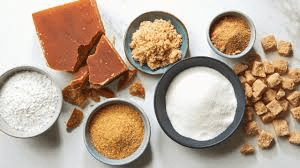
Images courtesy of Epicurious and NotSalmon, respectively.




 Maddie's Mom Writes
Leave a comment