

I’ve always had a vivid imagination. As a child I could see and hear all sorts of conversations and interactions between people and animals and even inanimate objects.
My hair barrettes had secret lives known only to me. I would tell myself stories about them. Sometimes acting them out, alone in my room.
The teddy bear sitting at the foot of my bed and keeping watch over me through the night would wave to me each morning when I awoke. The round mirror on the wall with the etched pattern of twining ivy leaves around its border would shine brightly as the ivy became horses galloping in a circle, counter clockwise, around and around.
The leaves in the trees were fairies and the ancient avocado trees in the park down the street were dinosaurs.
Imagination cannot exist in a vacuum. It is fueled by what we know of the world. As I grew older and experienced more of life, my imagination grew and became more complex, more nuanced.
It was a long time, though, before I began putting the things I imagined and felt and believed into writing. In the beginning, it was mostly poetry of the sort written by someone just leaving their teen years. It was maudlin and full of angst and of no interest to anyone but me.
Much later, I began writing for an online magazine. In exchange for providing content, I could advertise my own website at no cost. So I wrote a lot. I wrote about anything and everything. There were articles about feelings, happenings, opinions. I wrote how-tos about the things I knew best and a smattering of poetry. As I realized my writing skills were improving, I began to write short fiction. But I never imagined I had an entire novel in me.
Flash forward in time. I’ve written and self-published several novels. I won’t say it was easy to write them, but it wasn’t difficult either. Most days, the ideas flowed from me with the ease of a five year old’s fanciful imaginings.
I was working on a new novel. It was going very well. I was excited because I really liked the main character and the theme of the story. But for some reason, the writing threw me back in my memories more than most things I had written to date. Not all those memories were pleasant.
I began talking about these memories and the feelings attendant upon them. I related how that had affected me then and were still affecting me. I was advised to let them go. In essence to forget them. Move on.
I worried that I was doing it all wrong. That I shouldn’t hold to those memories as I was advised. But I didn’t know how, or if, I could let them go. I became depressed. The memories seemed to grip me even tighter. I stopped writing.
I did not write for a very long time. I couldn’t write. I had no words. I had no stories to tell. Only worry and darkness and a profound sense of loss.
And then two things happened. I reconnected with a childhood friend who asked if I had another novel in the pipeline. And I borrowed a book by one of my favorite authors, Dean Koontz. The book is titled, “Ashley Bell.” In it he has one of his characters assert “It’s a writer thing. The past is material. You never want to forget it, how it was, how it felt.” In another place in the novel, Koontz wrote that we remain all that we have ever been.
It was like a light in the darkness. A dam breaking and releasing its waters to run wild and free and where they will.
I am writing again. The words are flowing and my imagination is free. I have very nearly finished the novel I began over two years ago. It’s a great feeling.
Not all things that are well and true and good for some are well and true and good for all.
Creativity is a fragile thing, easily derailed, and totally dependent upon something, apparently even more fragile … imagination.
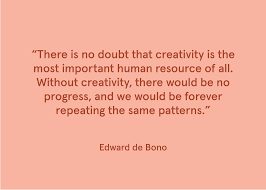
Image and quote courtesy of DeviantArt and WeWork respectively


 Maddie's Mom Writes
Leave a comment